Wearing a hoodie made from recycled polyester will no longer be enough to check the “responsible fashion” box in 2024. Urban brands are facing new regulatory constraints that are significantly altering their catalogs, materials, and distribution channels. Let’s take stock of what is really changing in streetwear this year, beyond simple stylistic directions.
Synthetic Microfibers and Streetwear: A Regulatory Constraint Changing Compositions
Historically, streetwear relies on synthetic materials: polyester, nylon, technical blends. These fabrics pose a concrete problem of microfiber release with every wash. In France, the AGEC law mandates microfiber filters on new washing machines starting January 2025, specifically to limit this textile pollution.
At the European level, the restriction of microplastics under the REACH regulation now covers synthetic textiles. This translates into labeling obligations on compositions and prepares for stricter rules on the very design of clothing.
For urban brands, this marks a turning point that directly affects R&D and purchasing departments. Concretely, this pushes to reduce classic “staple” polyester in favor of continuous fibers, which are less prone to shedding. Microfiber testing is becoming a sourcing criterion, not just a marketing argument. You can also find the latest news on La Mode Urbaine documenting these changes over the months.
Responses vary on this point: some brands absorb the extra cost without changing their prices, while others pass the increase on to their technical ranges. The visible result for consumers is the emergence of new mentions on labels and an offer that gradually shifts towards less polluting, sustainable materials when washed.

Destruction of Unsold Streetwear: What the European Ban Changes in 2024
The European Union is gradually banning the destruction of unsold clothing. For streetwear, a model based on limited drops and rapid collection rotations, this measure has direct consequences on stock management.
Urban brands must now sell or recycle their unsold items rather than destroy them. In practice, three responses are observed on the ground:
- A reduction in the number of pieces produced per drop, with more frequent pre-orders to adjust volumes to actual demand.
- The development of dedicated clearance channels (private sales, online outlets) that allow for control over resale prices.
- Partnerships with resale and second-hand platforms, a circuit that is significantly progressing in Europe, particularly in France where the online fashion resale market continues to grow.
This regulatory framework pushes brands to produce less but better target their clientele. For the generation of consumers accustomed to surprise releases, this means shorter buying windows and less systematic restocking.
Streetwear Trends Fall-Winter 2024: What’s Really Worn on the Streets
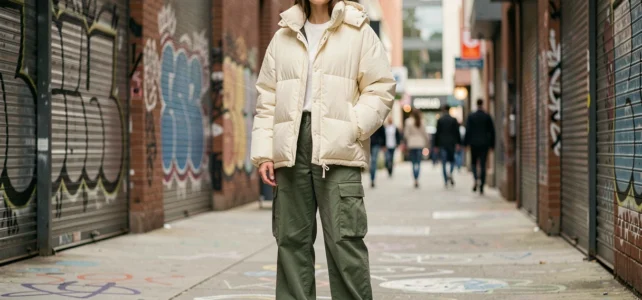
In terms of style, oversized cuts remain strong. Loose hoodies, baggy cargo pants, XXL bomber jackets: these silhouettes continue to form the foundation of urban wardrobes. There is a notable resurgence of graphic patterns and retro logos inspired by the 90s, championed by historic brands like Nike and Champion.
Scarlet red emerges as a strong color of the season. According to data from the Heuritech platform relayed by FashionUnited, this shade has seen notable growth, appearing in a significantly higher proportion of fall-winter 2024 collections. JW Anderson, Kiko Kostadinov, and Rotate are among the houses that have adopted it.
Another signal observed in the street style of Fashion Weeks: waterproof materials are gaining ground. Rainy seasons have accelerated the adoption of waterproof technical pieces worn as city clothing, not just as outdoor gear.
Sneakers: Collaborations and Eco-Responsibility
Sneakers remain the cornerstone of the urban look. Collaborations between brands and artists continue to generate highly sought-after capsule collections. Chunky models (thick soles, massive silhouettes) maintain their place, but sneakers made from recycled materials are progressing in catalogs.
There is a shift: the purchasing criterion is no longer limited to design or rarity. Material traceability and manufacturing conditions are entering the decision-making process, particularly among buyers under thirty.
Sustainable Urban Fashion in 2024: Beyond Greenwashing
Sustainability in streetwear is no longer limited to an “eco” line in a catalog. European regulations on microplastics and unsold goods create a binding framework that forces brands to integrate sustainability from the design stage, not just at the end of the chain.
Three concrete indicators allow for distinguishing real commitment from mere display:
- The publication of data on microfiber release by textile reference, a verifiable technical criterion.
- The proportion of unsold items effectively redirected towards reuse or recycling, rather than being sold off in opaque lots.
- The use of materials with traceable sourcing (certified organic cotton, post-consumer recycled polyester with GRS certification).
The world of streetwear is entering a phase where regulatory constraints and consumer expectations converge. Brands that genuinely adapt their supply chains gain an advantage over those that settle for marginal “green” capsules. For buyers, reading the composition label and checking certifications is becoming as relevant a reflex as choosing the right size.