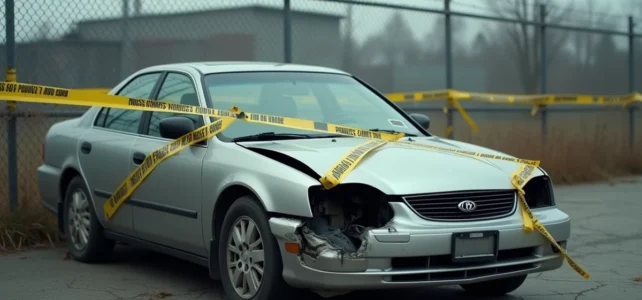
A vehicle placed under judicial seal after a serious bodily injury accident remains immobilized until the judicial authority has ordered its release. The restitution never occurs automatically, even after a dismissal or an acquittal. Each owner must take active steps to recover their property, or they risk losing it permanently.
Limitation period and actual duration of vehicle retention under seal
The duration of retention of a vehicle under seal is directly correlated to the ongoing criminal procedure. As long as no final judgment is rendered or the limitation period is not reached, the vehicle remains immobilized.
For a traffic offense (involuntary injuries, for example), the limitation period for public action is six years. In the case of a crime (aggravated involuntary manslaughter reclassified), this period can extend to twenty years. In practice, a vehicle can remain under seal for several years if the investigation is prolonged.
We regularly observe cases where the owner is unaware that the duration of the seal depends exclusively on the procedure and not on a fixed regulatory timeframe. There is no autonomous legal maximum duration for the retention of seals: it is the closure of the procedure that triggers the possibility of restitution. A recent case before the Court of Appeal of Orléans illustrates this reality, with a vehicle remaining under seal for nearly four years before a request led to its restitution.
When a car under judicial seal after an accident is subject to a lengthy procedure, the owner bears the financial consequences of this immobilization without automatic compensation, unless they initiate a public liability action.
Request for restitution of the vehicle: procedure and mandatory six-month deadline
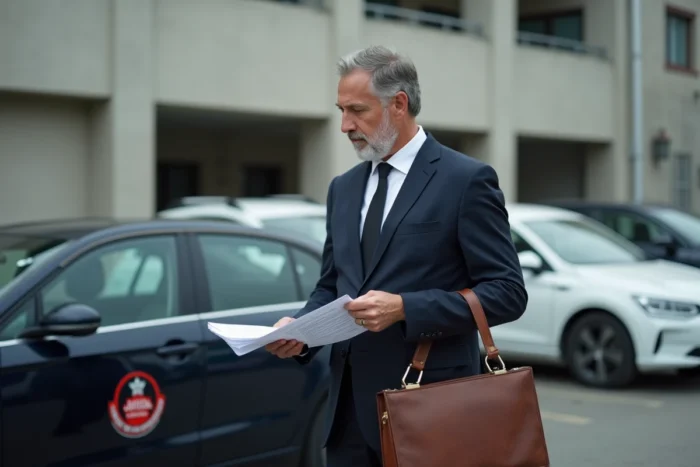
The restitution of a vehicle under seal is never automatic. The owner must file a request for restitution with the competent jurisdiction. This active obligation is the point that most public content overlooks.
When and how to file the request for restitution
The timing of the filing depends on the stage of the criminal procedure:
- During the investigation: the request is addressed to the investigating judge, who rules after consulting the public prosecutor. The magistrate may refuse if the vehicle retains evidentiary value.
- After dismissal or final judgment: the owner has a mandatory deadline of six months from the decision to file their request, in accordance with Article 41-4 of the Code of Criminal Procedure.
- In case of appeal against the decision to refuse restitution: the investigating chamber of the Court of Appeal is competent. The appeal must be filed within the legal deadlines.
After the six-month deadline without a request, the vehicle may be considered abandoned. The owner then loses the option for direct restitution and is left with only a potential indemnity claim.
Interaction with the impoundment regime
Since the reform of impoundment that came into effect in 2021, the deadlines before the sale or destruction of a vehicle in impoundment have been shortened. Once the release of the seals is pronounced, if the vehicle is transferred to impoundment, the owner has only fifteen days to recover it (ten days if the vehicle is classified as a wreck).
We recommend actively monitoring the status of the vehicle with the registry as soon as the release is notified. An owner who delays in coming forward after the seals are lifted risks having their vehicle sold at auction or destroyed, with no effective recourse other than a claim for compensation.
Insurance and compensation during the sealing
The sealing does not suspend the car insurance contract. The owner remains obligated to maintain at least liability coverage, even if the vehicle is immobilized. Terminating the contract exposes them to a lack of insurance at the time of recovery.
The insurer does not pay any compensation related solely to judicial immobilization. The all-damages coverage or theft coverage does not cover seizure by the judicial authority. Compensation for the damaged vehicle follows the standard claims process, independent of the criminal procedure.
If the vehicle is declared economically irreparable (VEI procedure) by the expert mandated by the insurer, compensation may occur even before the physical restitution of the property. The automotive expert appointed by the court and the one mandated by the insurer operate in distinct areas: the former assesses the evidentiary interest, while the latter determines the replacement value.
Court expertise of the accident vehicle: what the owner can demand
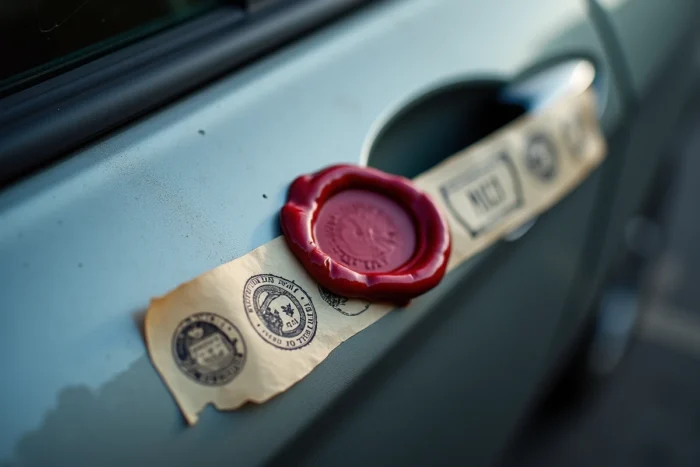
The judicial expertise ordered by the investigating judge concerns the technical elements of the accident: condition of the tires, functioning of the braking system, data from the electronic control unit (EDR), impact traces. The owner does not have access to the vehicle during this phase, but they have procedural rights.
- Request the appointment of a contradictory expert through their lawyer, at the expense of the applicant.
- Obtain communication of the expertise report once it is added to the criminal file, via the right to access the investigation file.
- Challenge the conclusions of the judicial expert through written observations or by requesting a counter-expertise.
The judicial expertise report often conditions the duration of retention under seal. If the expert has completed their investigations and the vehicle no longer has evidentiary value, this is the main argument for filing a request for early restitution.
An owner who passively waits for the end of the procedure without seeking restitution as soon as the expertise is completed unnecessarily prolongs the immobilization. The request can be filed at any time during the investigation, and the judge is required to rule within a reasonable timeframe.
The sealing of a vehicle after a serious accident remains a procedure where the inaction of the owner systematically works against them. Between the six-month deadline post-decision, the shortened impoundment deadlines, and the absence of automatic compensation for immobilization, every lost week reduces the available options.